
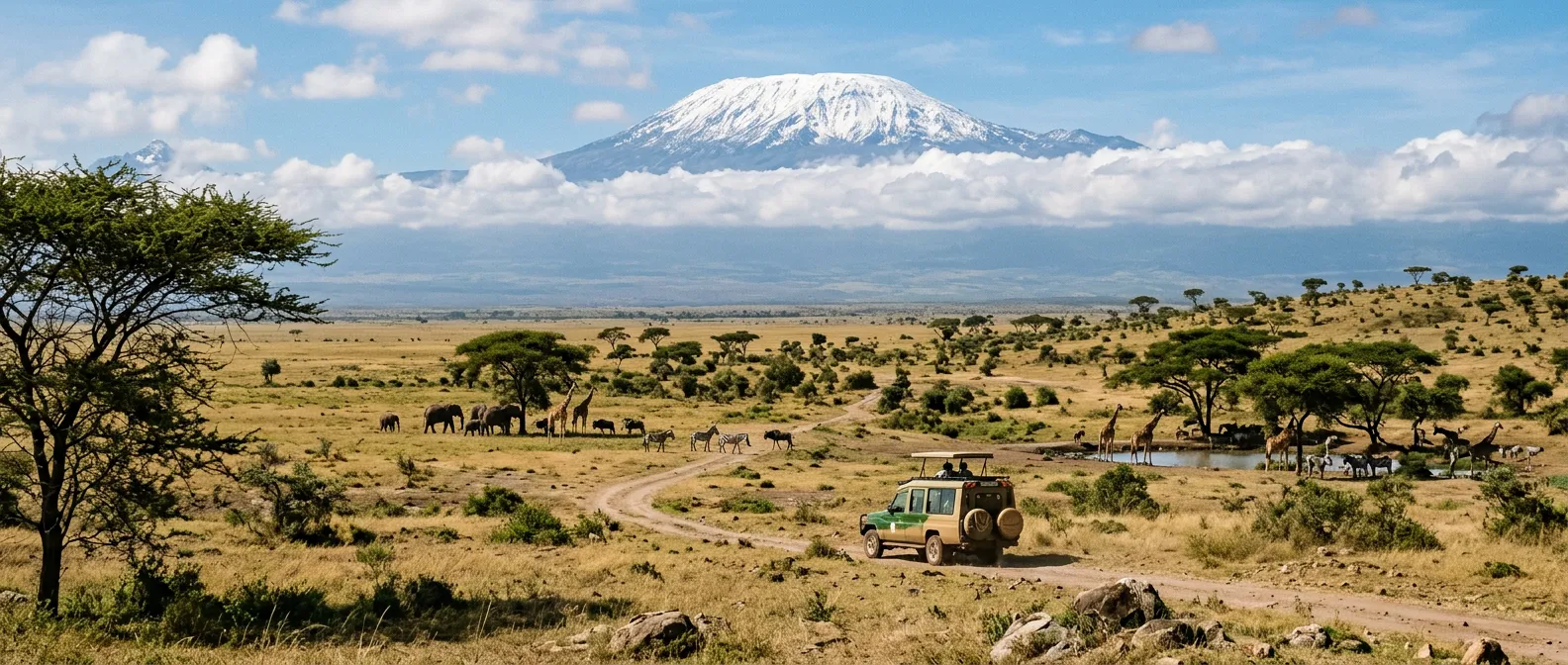
Tanzania travel insurance protects you against high medical bills, emergency evacuations, and trip cancellations in a country where healthcare outside major cities is limited and a safari or Kilimanjaro trek can turn dangerous without warning. This guide explains what coverage you need, the mandatory Zanzibar insurance rule, typical costs, and how to pick the right policy before you apply for your Tanzania eVisa.
Do You Need Travel Insurance for Tanzania?
Tanzania does not legally require travel insurance for a standard tourist visa or eVisa. However, there is one major exception and several practical reasons to buy a policy regardless.
Zanzibar mandatory insurance. Since 1 October 2024, every visitor entering Zanzibar must purchase the Zanzibar Insurance Corporation (ZIC) inbound travel insurance. This applies to all nationalities, even if you already carry a private policy from your home country. The ZIC insurance is a separate, government-mandated product that you purchase online before arrival.
| Situation | Insurance Required? | Notes |
|---|---|---|
| Mainland Tanzania tourist visa | No (recommended) | No check at the border, but you bear all financial risk |
| Zanzibar (all visitors) | Yes – mandatory | ZIC inbound insurance, purchased online before arrival |
| Kilimanjaro trek | Required by operators | Most outfitters demand proof covering high-altitude trekking and helicopter evacuation |
| Safari in national parks | Recommended | Remote locations with no nearby hospitals |
| Transit visa (7 days) | Recommended | Short stays still carry medical risk |
If you are visiting both mainland Tanzania and Zanzibar on the same trip, you need the ZIC policy for the Zanzibar portion plus a private policy for broader coverage on the mainland.
Zanzibar Mandatory Insurance (ZIC)
The Zanzibar Insurance Corporation inbound travel insurance is compulsory for every person entering Zanzibar – tourists, business travellers, and transit visitors alike. You cannot clear immigration on the islands without it.
ZIC Insurance Costs:
| Category | Price (USD) |
|---|---|
| Adults (standard) | $44 |
| Children | $22 |
| SADC/EAC member state citizens | $22 |
You apply online at inbound.visitzanzibar.go.tz and receive a confirmation document to present at immigration. The policy covers medical emergencies, accidents, and unforeseen incidents during your stay in Zanzibar.
Key points about ZIC insurance:
- It is mandatory regardless of any other insurance you hold
- Fees and coverage terms may change – always check the latest rates before travel
- The policy is separate from your private travel insurance; you may want both
- Apply before departure to avoid delays at immigration
What Should Tanzania Travel Insurance Cover?
A comprehensive policy for Tanzania should include these core coverage areas. The recommended minimums below reflect the reality that serious medical incidents in Tanzania often require transfer to Nairobi, Kenya, or evacuation back to your home country.
Medical Emergencies and Hospitalisation
Tanzania’s public hospitals outside Dar es Salaam and Arusha have limited equipment and staffing. Private hospitals in major cities are better but expensive. Your policy should cover:
- Hospital stays and surgical procedures
- Doctor consultations and prescription medication
- Diagnostic tests (X-rays, blood work, MRI scans)
- Dental emergencies (not routine care)
Recommended minimum: $100,000 USD medical coverage.
Emergency Medical Evacuation
This is the single most important coverage for Tanzania. If you suffer altitude sickness on Kilimanjaro, are injured on safari in the Serengeti, or face a medical emergency in a remote area, helicopter or air ambulance evacuation can cost $50,000 to $100,000 or more.
Recommended minimum: $250,000 evacuation coverage.
Trip Cancellation and Interruption
Safari bookings and Kilimanjaro permits require non-refundable deposits, often months in advance. Trip cancellation coverage reimburses you if you must cancel or cut your trip short due to:
- Illness or injury (yours or a family member’s)
- Death in the family
- Natural disasters or political unrest
- Jury duty or court subpoena
- Airline bankruptcy
Lost, Stolen, or Delayed Baggage
Internal flights in Tanzania (to Zanzibar, Serengeti, or remote airstrips) are sometimes cancelled or delayed due to weather. Baggage can be lost on bush flights. Coverage should include:
- Replacement of essential items if baggage is delayed (typically 12+ hours)
- Reimbursement for lost or stolen luggage and personal belongings
- Valuables coverage limits (check if cameras, laptops, and safari gear are covered)
Personal Liability
Covers damage you accidentally cause to third parties or their property. Some safari activities (self-drive, water sports) may require this.
How Much Does Tanzania Travel Insurance Cost?
The cost of a private travel insurance policy depends on your age, trip duration, coverage level, and home country. Typical price ranges:
| Trip Duration | Budget Plan | Comprehensive Plan | Premium Plan |
|---|---|---|---|
| 7-14 days | $30 – $50 | $60 – $100 | $120 – $200 |
| 15-30 days | $50 – $80 | $100 – $160 | $200 – $350 |
| 31-90 days | $80 – $150 | $160 – $300 | $350 – $500+ |
These are approximate ranges for travellers aged 18-50. Older travellers (65+) typically pay 50-100% more. Budget plans cover basic medical and evacuation; comprehensive plans add trip cancellation, baggage, and higher limits; premium plans include adventure sports and pre-existing conditions.
Remember: if you are visiting Zanzibar, add the $44 ZIC mandatory insurance on top of your private policy cost.
Best Travel Insurance Providers for Tanzania
Several international insurers offer policies well-suited to Tanzania travel. Look for providers that specifically cover:
- High-altitude trekking (up to 6,000m for Kilimanjaro)
- Safari activities in remote areas
- Emergency helicopter evacuation
- Medical treatment in East Africa (not just repatriation)
Popular options include World Nomads, Allianz Global Assistance, SafetyWing (for digital nomads), IMG Global, and Battleface. Always read the policy wording carefully, especially exclusions related to adventure activities and altitude limits.
How to Choose the Right Policy
Follow these steps to select the best Tanzania travel insurance:
1. List your activities. A beach holiday in Zanzibar has different insurance needs than a Kilimanjaro summit attempt. Safari, diving, and trekking each carry specific risks.
2. Check altitude limits. Kilimanjaro’s summit is at 5,895m. Many standard policies exclude claims above 3,000m or 4,000m. Make sure your policy explicitly covers the altitude you will reach.
3. Verify evacuation terms. Some policies only cover evacuation to the nearest suitable hospital (often Nairobi). Better policies cover full repatriation to your home country.
4. Compare deductibles. A lower premium often means a higher deductible (excess). For Tanzania, where a single hospital visit can cost thousands, a low deductible is worth paying a slightly higher premium.
5. Read the exclusions. Common exclusions include pre-existing conditions, alcohol-related incidents, unlicensed adventure operators, and travel to areas with government travel warnings.
Common Claims for Tanzania Travel
Insurance claims from Tanzania trips most frequently involve:
- Malaria treatment – Anti-malarial medication is preventive, but breakthrough cases happen. Treatment costs vary but hospital stays can be expensive.
- Safari vehicle accidents – Rough roads and wildlife encounters can cause injuries.
- Altitude sickness on Kilimanjaro – Requires immediate descent and sometimes helicopter evacuation.
- Food and waterborne illness – Traveller’s diarrhoea is common; severe cases may need hospitalisation.
- Lost baggage on bush flights – Small aircraft to remote lodges have strict weight limits and occasional mishandling.
- Trip cancellation – Illness before departure, airline issues, or political instability.
Travel Insurance and the Tanzania eVisa Process
Travel insurance is not listed as a required document for the Tanzania eVisa application. You do not need to upload proof of insurance when applying online.
However, having insurance in place before you apply is smart because:
- If your visa is denied for any reason, trip cancellation coverage can reimburse your non-refundable bookings
- Some airlines may ask for proof of insurance at check-in
- If you are visiting Zanzibar, you must have the ZIC policy before arrival
For details on visa types and fees, see the Tanzania eVisa fee guide.
Tips for Filing an Insurance Claim
If something goes wrong during your Tanzania trip, follow these steps to maximise your chances of a successful claim:
- Contact your insurer’s 24/7 emergency line immediately. Most policies require you to call before receiving non-emergency treatment. Keep this number saved in your phone.
- Get everything in writing. Request itemised hospital bills, police reports (for theft), and airline confirmation of delays or cancellations.
- Keep all receipts. Medication, taxis to hospitals, replacement clothing – every receipt strengthens your claim.
- Take photos. Document injuries, damaged property, and the scene of any incident.
- File within the deadline. Most insurers require claims within 30-90 days of the incident. Check your policy wording.
- Use your insurer’s approved network when possible. Some policies have preferred hospitals in Dar es Salaam and Arusha that offer direct billing, so you do not pay out of pocket.
FAQs About Tanzania Travel Insurance
Is travel insurance mandatory for Tanzania?
Travel insurance is not mandatory for mainland Tanzania on a standard tourist visa or eVisa. However, it is mandatory for Zanzibar – all visitors must purchase the ZIC inbound insurance ($44 per adult) before arrival.
How much is the Zanzibar mandatory travel insurance?
The Zanzibar Insurance Corporation (ZIC) inbound insurance costs $44 per adult, $22 per child, and $22 for citizens of SADC and EAC member states. You apply at inbound.visitzanzibar.go.tz.
Does my regular health insurance cover me in Tanzania?
Most domestic health insurance plans do not cover medical treatment abroad. Even if yours does, it likely excludes emergency evacuation. A dedicated travel insurance policy fills these gaps and is strongly recommended.
Do I need special insurance for Kilimanjaro?
Yes. Standard travel insurance often excludes high-altitude trekking above 3,000-4,000m. Kilimanjaro’s summit is at 5,895m. Make sure your policy explicitly covers trekking at this altitude and includes helicopter evacuation.
Can I buy travel insurance after arriving in Tanzania?
Most insurers require you to purchase the policy before departure. Buying after arrival typically means exclusions for trip cancellation and pre-existing conditions. The ZIC Zanzibar insurance can be purchased online at any time before entering Zanzibar.
What if I only visit Zanzibar and not mainland Tanzania?
You still need the mandatory ZIC insurance. A private travel insurance policy is also recommended for broader medical and evacuation coverage beyond what ZIC provides.
Does travel insurance cover safari activities?
Most comprehensive policies cover standard safari activities (game drives, guided walks with licensed operators). Self-drive safaris, hot air balloon rides, and walking safaris in areas with dangerous animals may require additional adventure sports coverage.
Is the ZIC insurance enough, or do I need a private policy too?
The ZIC insurance provides basic mandatory coverage for Zanzibar. For comprehensive protection – especially for medical evacuation, trip cancellation, and mainland Tanzania coverage – a private travel insurance policy is strongly recommended in addition to ZIC.
Key Takeaways
- Zanzibar requires mandatory insurance through the Zanzibar Insurance Corporation (ZIC) at $44 per adult, purchased online before arrival at inbound.visitzanzibar.go.tz.
- Mainland Tanzania does not require insurance, but medical evacuation can cost $50,000-$100,000 without coverage.
- For Kilimanjaro, verify your policy covers high-altitude trekking up to 5,895m and helicopter evacuation.
- Recommended minimum coverage: $100,000 medical and $250,000 evacuation.
- Buy your policy before departure – most insurers will not cover trip cancellation if you purchase after arrival.
- Keep all receipts, get police reports for theft, and call your insurer’s emergency line before receiving non-emergency treatment.
- Travel insurance is not required for the eVisa application but protects your financial investment in flights, safari bookings, and permits.